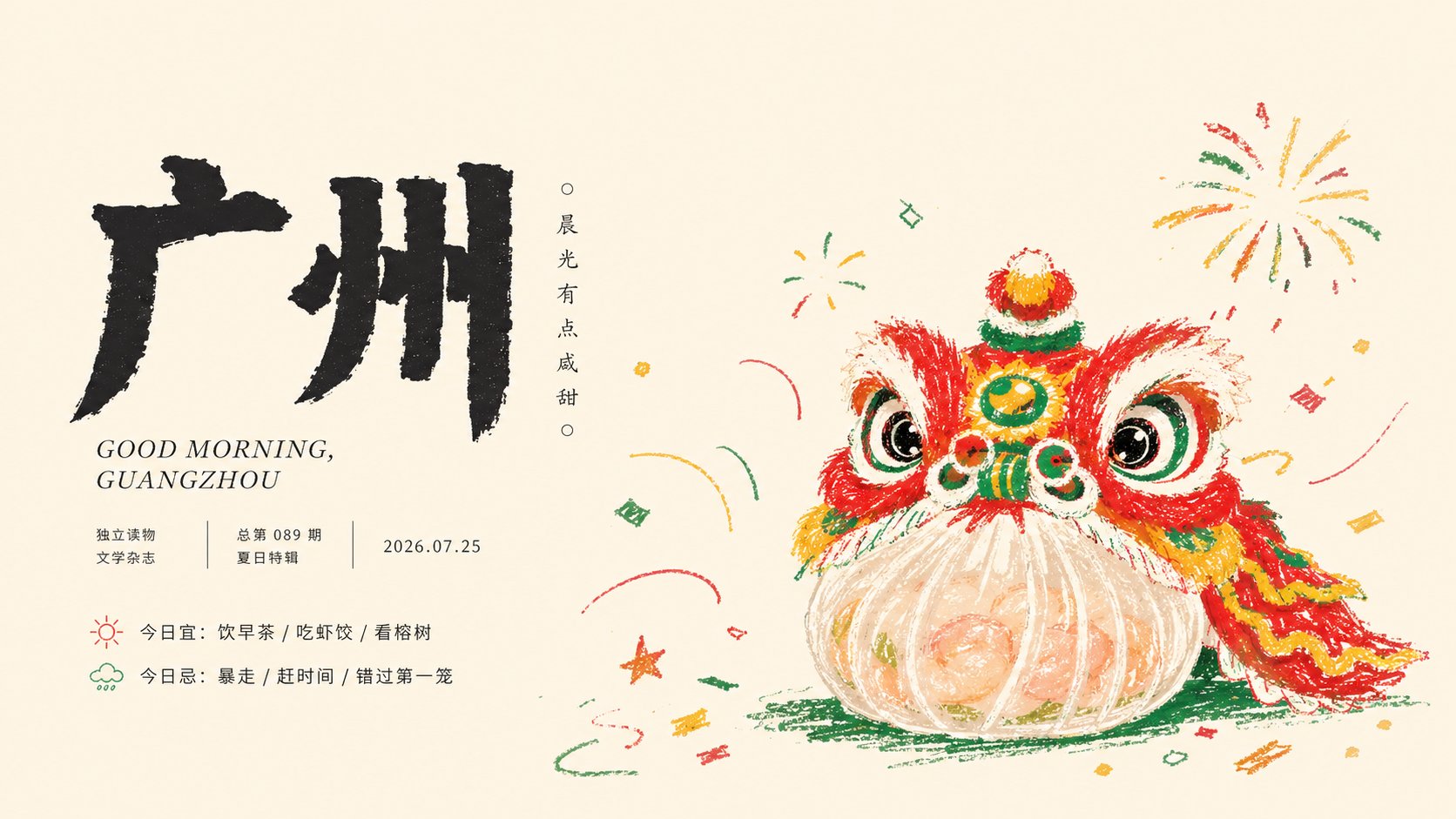
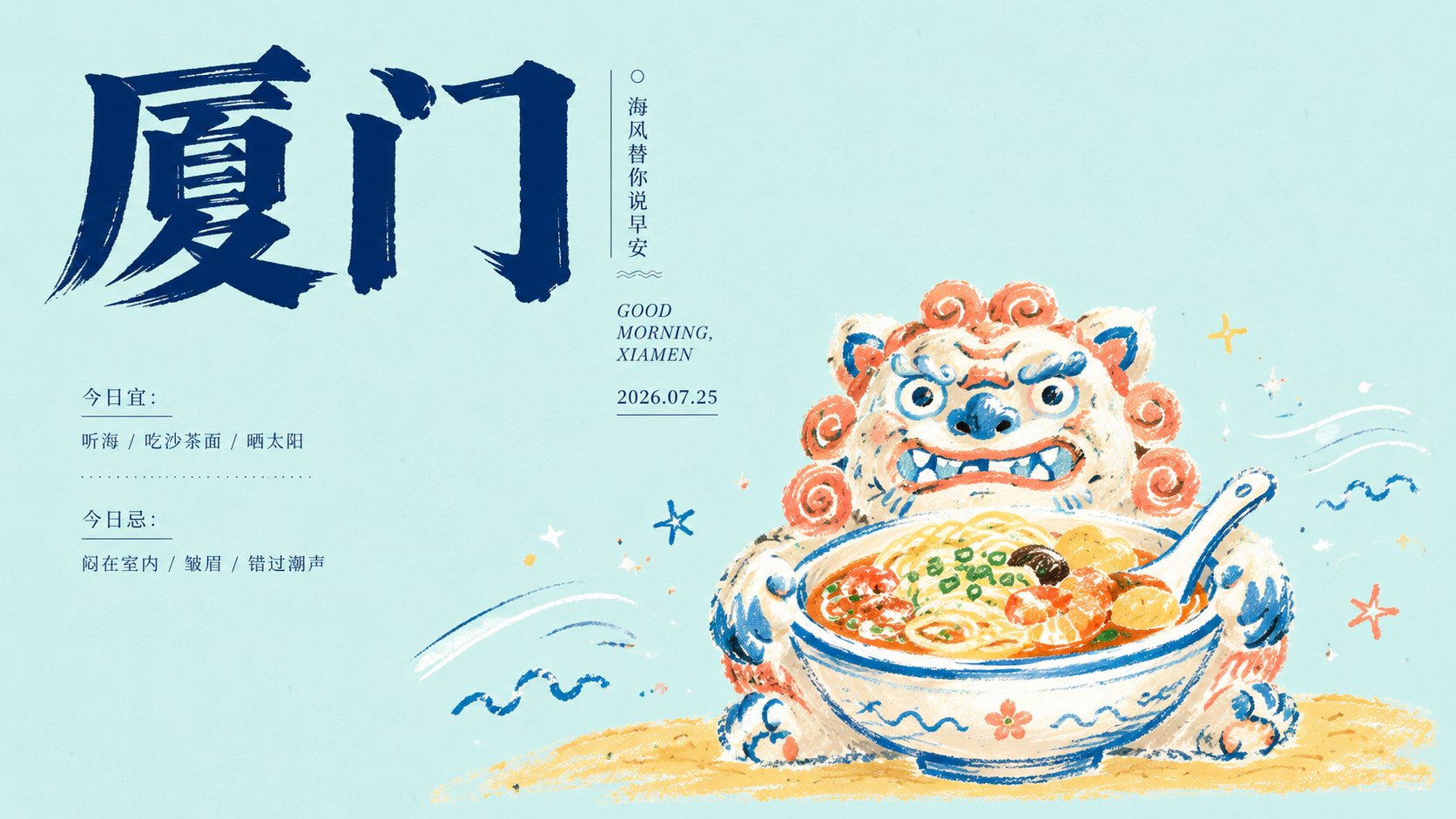
文学杂志封面稚拙蜡笔手绘设计
- 模型
- ChatGPT
- 来源
- @xiaoxiaodong01
- 收录
- 2026-07-30
提示词
1,867 字
Generate an image with the temperament of a literary magazine cover around any subject: The image first establishes the primary visual weight with very large black or theme-derived dark text, with thick glyphs and strokes that have a calligraphic sense of pressure, occupying the high-position white space on one side, accompanied by a small amount of thin lines, publication-style small font information, italic English or vertical short sentences to form a quiet reading rhythm; the subject object should not be presented realistically, but translated into a naive crayon-drawn symbolic main form, placed in a lower position on the other side, forming obvious tension with large areas of blank space, with edges retaining hand-drawn roughness, breakage, smudging, and a sense of partial overstepping boundaries. Around the main subject, there can be theme-derived arcs, starlike dots, fireworks, small marks, or attachments, using slightly out-of-control hand-drawn trajectories to create a sense of adventure and childhood imagination, but the information area must be restrained, neat, and leave room to breathe. Colors are extracted from the theme's own materials, emotions, and narratives: large areas of the background maintain a bright, clear, clean high-brightness base, text uses clear dark colors to bear the structure, the subject uses medium-to-high saturation theme color blocks, and accent colors appear only as small area dots or lines, maintaining a light, innocent, and airy mood; the paper surface can have subtle printing grains and crayon powdery textures, but it cannot become dirty, gray, or aged. The overall look is like a carefully typeset independent publication meeting a child's hand-drawn dream, where rational textual order and free graffiti constrain each other, possessing both an editorial feel and an unpolished spirit of adventure.
443 字
围绕任意主题对象生成一张带有文学杂志封面气质的图像:画面先以极大的黑色或主题派生深色文字建立第一视觉重量,字形厚重、笔画有书法般的压迫感,占据一侧的高位留白区,旁边配合少量细线、刊物式小字号信息、斜体英文或竖排短句形成安静的阅读节奏;主题对象不要写实呈现,而是转译为稚拙蜡笔涂绘的象征主形体,放在另一侧偏下的位置,与大片空白形成明显张力,边缘保留手画的毛糙、断裂、涂抹和局部越界感。主体周围可有主题派生的弧线、星点、花火、小标记或附着物,用轻微失控的手绘轨迹制造冒险感和童年想象,但信息区必须克制、整齐、留出呼吸。色彩从主题自身的材质、情绪和叙事中提取:大面积背景保持明亮、清透、干净的高明度基底,文字使用清晰深色承担结构,主体使用中高饱和的主题色块,强调色只以小面积点状或线状出现,维持轻快、天真、通风的情绪;纸面可有细微印刷颗粒和蜡笔粉质纹理,但不能变脏、发灰或做旧。整体像一本认真排版的独立读物遇到儿童手绘梦境,理性文字秩序与自由涂鸦互相牵制,既有编辑感,也有未被修饰的冒险精神。